Welcome to Beyond the Point

Posted: June 20, 2012 by BTP Liam in Website Update

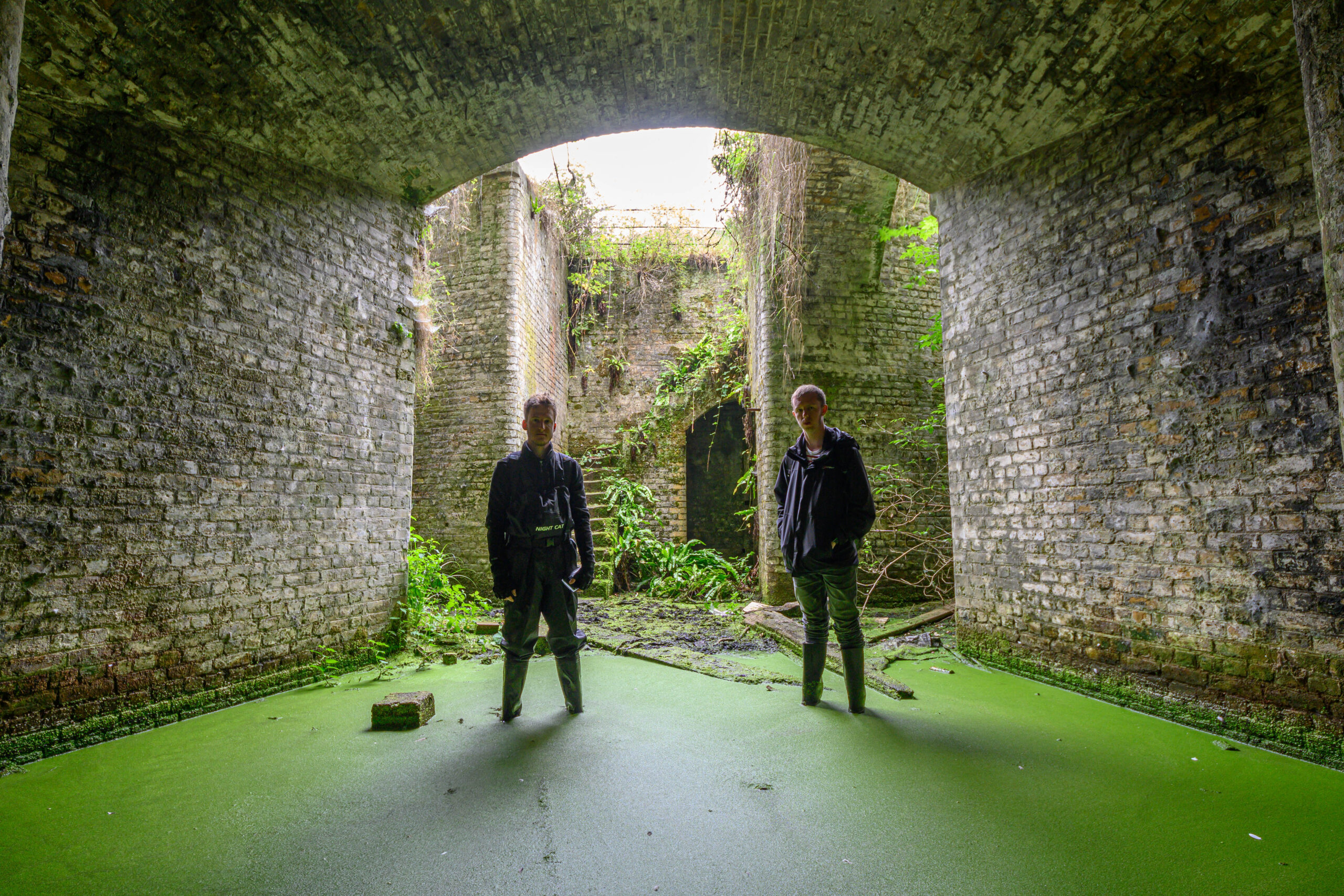
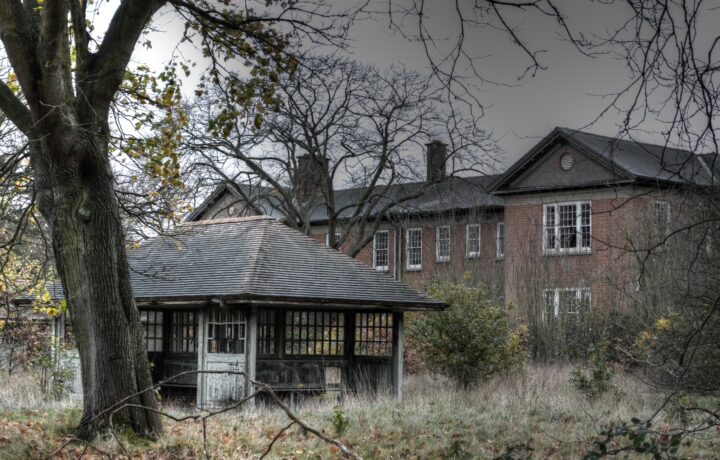
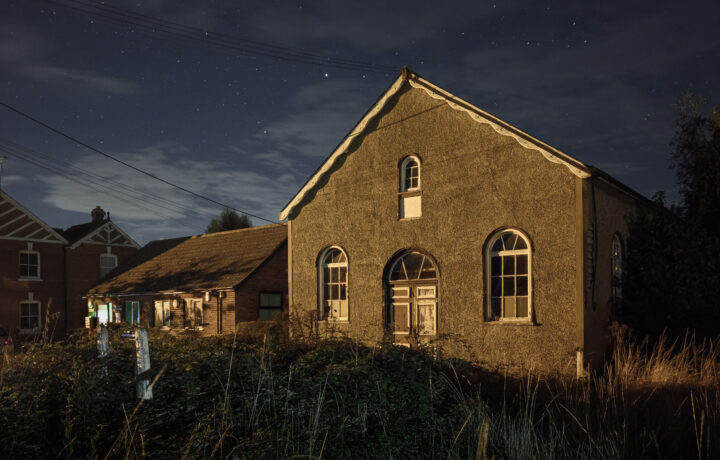
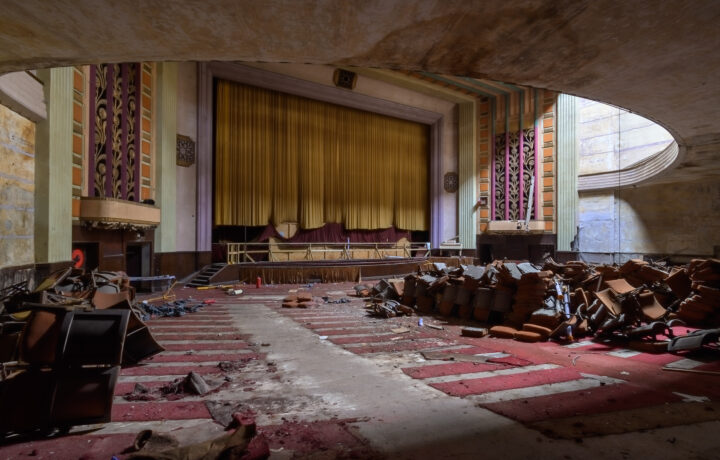
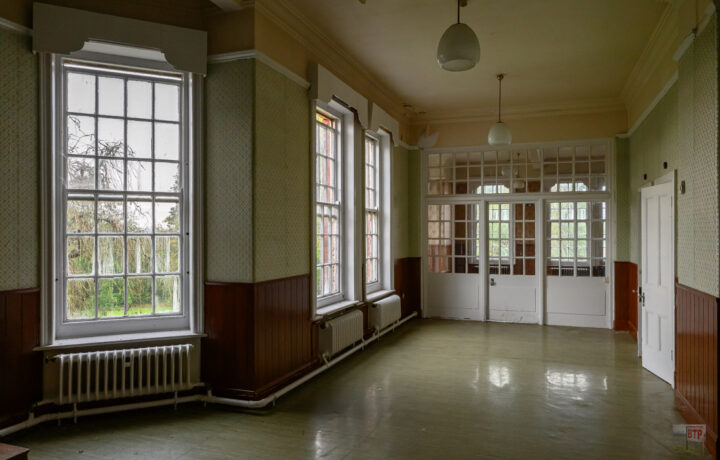
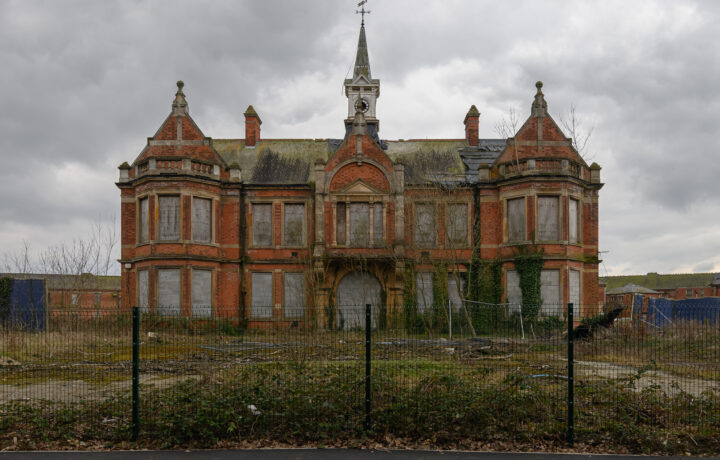
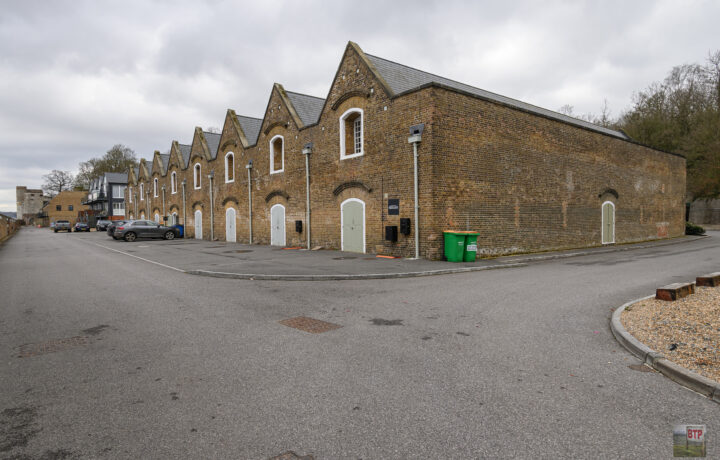
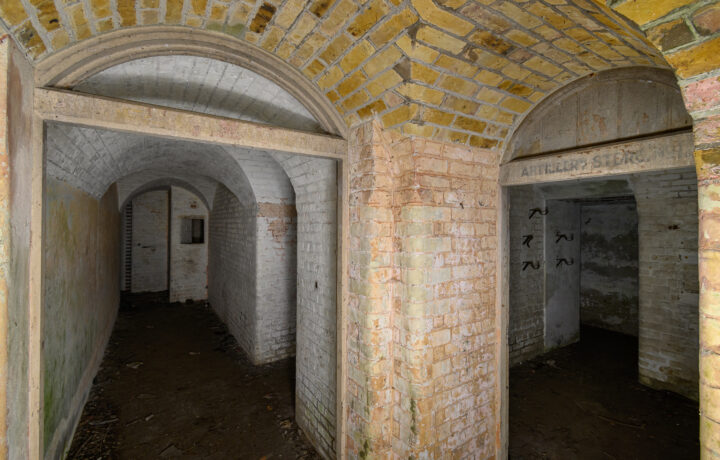
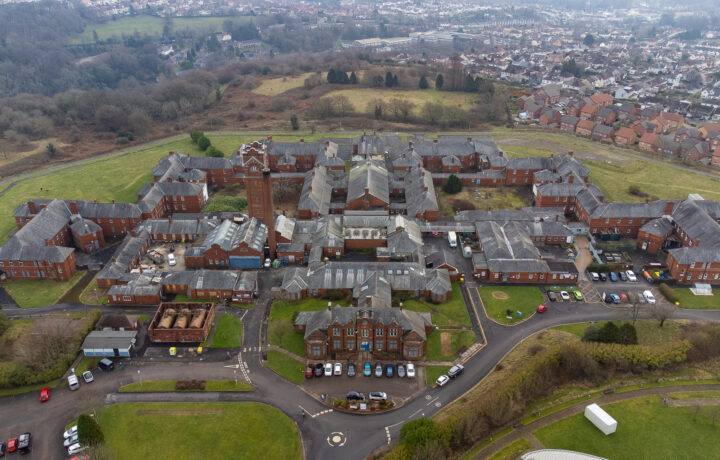
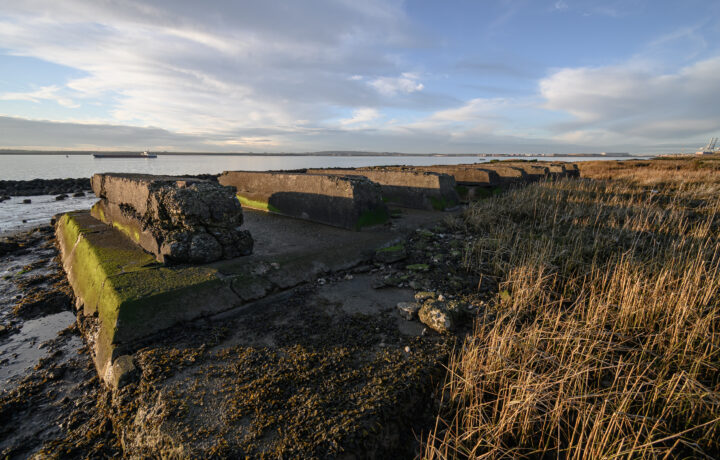
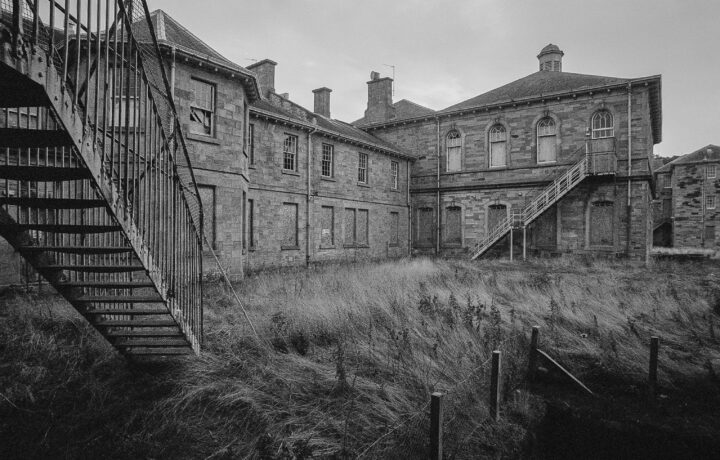
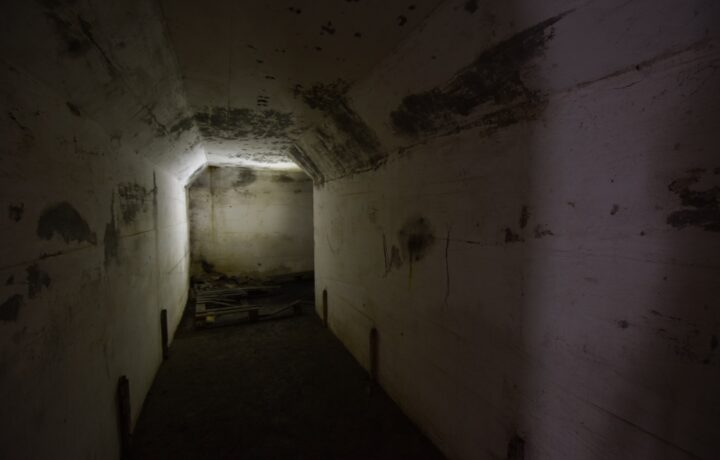
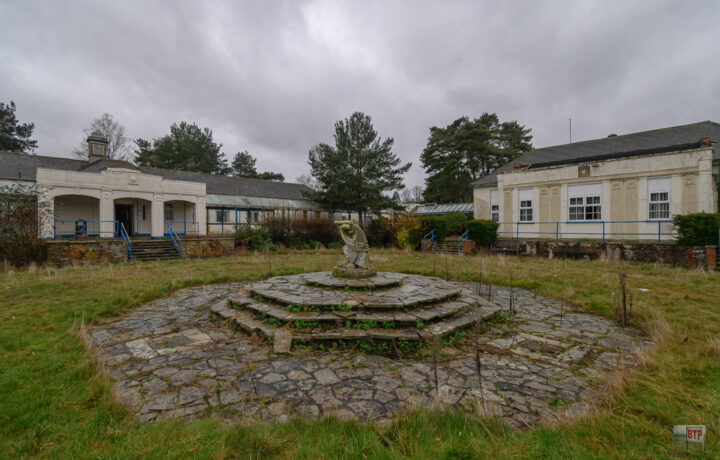
Beyond the Point is an organisation based on Canvey Island, dedicated to BTP Joe and Liam exploring and researching historical remains in South-East Essex. Ranging from everything from Medieval castles to nuclear bunkers, we follow our goal to enlighten you on the usually skimmed-over parts of local history.  In strong co-operation with local archives and museums, Beyond the Point compliments the work from archivists within the area. We produce documentaries on these sites, found via our YouTube Channel found in the video below, as well as the odd movie just for fun. We also have a Facebook Page containing over a thousand photographs from all our ventures. Read more…..

Please visit our community forum where you can share and interact with BTP and the history it explores. http://www.beyondessex.co.uk/

You can also purchase a 60-minute documentary DVD on the complete history of Canvey Island here http://beyondthepoint.co.uk/dvd/

Hello everyone! A few more weeks then BTP will be returning back to normal; exploring, blogging and documenting. Last Thursday we were fortunate enough to be invited by Chris Fenwick, band manager, to the V.I.P. opening of the Dr. Feelgood Exhibition at the Canvey Club. We attended in some contemporary rock n’ roll clothes and had a great night, learning a lot more about the Band. We attended with our guest for the evening, Alan Taylor, a massive fan! It featured a plethora of Feelgood merchandise, memorabilia  and cuttings, and was excellent for giving us the Feelgood factor of what the band were really all about. We spoke to people who had travellled from Scotland, Finland, and even Holland to visit Canvey Island, to them trademarked with the stamp of Dr. Feelgood. It just showed how popular the band was during the mid seventies, and the image they put out of Canvey.

4

Left to right – Liam Heatherson, Joe Mander, Phil Mitchel, Chris Fenwick, Kevin Morris, Alan Taylor.

We were fortunate enough to get interviews with Phil Mitchel (base guitar since 1980s), Kevin Morris (drummer since 1980s), Chris Fenwick (long-term manager) and due to audio issues, we will hopefully be getting one with Chris Fenwick soon. The exhibition site describes the evening as:

Take a journey through the early years when Lee, Wilko,
Sparko and the Big Figure cut their teeth on Canvey Island
before exploding onto the London pub rock scene.

View an incredible collection of concert posters, record
sleeves, press cuttings and previously unseen photographs
from the days of Down By The Jetty and Milk and Alcohol
all the way through to the modern era.

Never before assembled in one place, this is a unique
opportunity to get close to the artefacts and imagery
from one of the worlds most exciting live bands.

This was our first time in the club and it’s really warm and cosy inside making it an amazing evening for all Feelgood fans and even people who want to find out more! The band played in the fireplace for the best part of a year inside this historic old shack, just before they hit the mainstream.


Chris Fenwick Walks

To coincide with the exhibition a number of Chis Fenwick’s famous Canvey Walks, have been organised, visiting Canvey’s most infamous spots and Feelgood hide-outs. The walks will start at 10:30am at The Lobstersmack, Canvey on the following days:

  • 10th May
  • 17th May
  • 24th May

finishing at The Canvey Club. The walk is approximately 2 hours with no booking necessary – just turn up.

Hello everyone! Liam and I were fortunate enough to get a tour round the Stow Maries Aerdrome which is an amazing place and is worth a visit for WW1 and aviation enthusiasts! (A blog post will be coming soon) After looking around the site, we had a couple of hours free to look around the area so we planned to visit the Woodham Ferres ROC post. The only ROC post that we have been to before is the Canvey Island one which has been capped with mud meaning we cannot get in however this one was open and waiting for us!

What are ROC posts? 

ROC Badge

The Royal Observer Corps (ROC) was a defence warning organisation operating from 1925. It was created to provide a system for detecting, tracking and reporting enemy aircraft over Britain. They played a very important part during World War Two. The end of the Second World War brought with it the new and terrifying prospect of nuclear war. In Britain the public would have had a mere four minute warning of the approach of nuclear missiles and it was the job of the Royal Observer Corps to warn the public of the impending attack, report the explosions and plot the path of the deadly nuclear fallout. From 1955 the Corps operated from 1563 ROC underground monitoring ‘posts’ about 7-8 miles apart from each other throughout the UK. In 1968 the Corps was re-organised and about half of the posts were closed. In September 1991 the remaining 872 posts were stood down and were abandoned.

The image below shows the diagram of one. This site is very useful if you want to know more about ROC posts.

Diagram

Woodham Ferrers Post

1

We had to walk up quite a steep hill to get there with amazing views looking far and wide in different directions. The first bit that we came to was this, a ventilation shaft. Although posts already had one vent shaft attached to the hatch area, a second one was constructed at the far end of the post, this one lead into the main observers room while the first on the hatch lead to the smaller toilet room/area, metal or wooden louvered vents were attached to either side.

2

After this we headed over to the main beast which was a few steps in the opposite directions. I was the first to go down and armed with just a headlight, I was petrified of finding some black spider crawling towards me and I’m pretty sure I am more scared of it that it is of me! I conquered the ladder which was actually no problem and apart from the odd cobweb down below (I wasn’t going to stand and look for spiders!) I couldn’t see any other lurking surprises.

Straight after the ladder, when you have gone down, you are standing on a “sump and sump grill” with the obvious use for this being a place for the people to dispose of liquid waste.

6

^There is small room opposite which would have been the toilet. Most of the doors opened inwards due to space which is what the main room one did.

3

Apart from the odd burnt bit on the table things were in a reasonable condition considering the post wasn’t locked up.

7

The ‘book shelf’ bit at the back would have been used for holding jerry cans which would have been full of water. The metal that remains today would have acted as hooks.

The image above shows a cupboard and a fir blanket dispenser. Posts were equipped with a large cupboard to store items such as medical kits and the stain removing Glitto! The fire blanket holder would have held asbestos fire blankets which were kept in posts in case of fire.

A video will be coming to BTP TV soon on the post and also the WW1 aerodrome however for the meantime our photos can be found here and why not visit/sign up to our forum as we want to get it used a lot more!

PICT0063 (2)

This map, from the unbeatable, comprehensive Dowd’s Canvey Cyclopedia (http://freepages.genealogy.rootsweb.ancestry.com/~canvey/index_files/canveycyclopediafacts.htm) labels the various farms across Canvey in 1850, the days when Canvey was still but farmland and a small village, much like the Wild West, as I like to allude to! Only few of these actually remain today, with Brickhouse Farm being one of the only still in operation. So, where did all the rest go? Well, a majority became left abandoned, and most were built on as land was taken up by development. Only few survived on the land which today is west Canvey; a large area of wilderness which has escaped money-maker’s development. It remains much like it has been for hundreds of years, especially Bowers Marsh. Waterside Farmhouse still stands as the recycling centre today. We made it our mission to uncover the sites of two particular farms which lay on land not covered at by human expansion – Pantile Farm, and Tree (Southwick) Farm. I will say now that the farms in question no longer structurally exist. However, the sites of these two farm houses caught my eye as being on untouched ground – I decided that the remains from their demolition, from as much as a few decades ago, must still be there.

Farm Map

Myself, BTP Joe Mander, and guest explorer Sam Hill, took the trek out into Canvey’s countryside to investigate the sites of these farms – probably the first with the specific intention for many years. We parked in the recently established RSPB Nature Reserve West Canvey car park. We then set west for the current seawall, which had been there for around 200 years, made only of as grassy bank. Our findings of the first farm site are below:

Pantile Farm

Despite the buildings being recorded as standing as long ago as 1777, on Chapman and Andre’s map, the farmhouse has probably stood up until several decades ago. The date of the construction of the main farmhouse at Pantile is unclear. We were walking along the site of the farmhouse, characterized by raised ground and greener ground foliage, when we felt something hard underfoot. We pulled up some of the grass, and instantly came across the foundations of brick walls which made up the farmhouse. They were classic Victorian red terracotta bricks, characteristic of late Victorian architecture. However, the farmhouse can be seen derelict in this 1935 photograph, meaning the farmhouse could have been constructed earlier. Bricks for the farmhouse would probably have been of local origin, perhaps from the brick factories of Benfleet or Hadleigh. This means that it is hard to class the bricks as part of that Victorian movement of red brick, so the house could have been the same one from its initial construction, sometime probably in the 1700s. Pulling it away further from the red brick being of the Victorian era, the farmhouse appears to be of earlier style, not Victorian, in which brick would have been used extensively. Instead, brick appears to make up only the base of the building, and the rest being either made entirely of wooden timbers, or the brick walls lined with wooden timbers. The architectural style would suit that of the 1700s (although farmhouses were private constructions and m,ay not follow any contemporary style), and bricks found in the bushes, which had been weathered and overgrown, appeared to be of earlier than Victorian origin. Therefore this was probably was the initial farmhouse, which had never been replaced since the 170os. However, little mention of the farmhouse appears in anywhere before the mid 1800s. The bricks were layed short-ways next to each other, which is quite unconventional – probably to make a wall only one brick wide as cheap as possible, without it being too thin. Either that, or it could have been the step to the front entrance – the bricks from the first layer protrude. In fact, neither layer of the the bricks showed signs that there would have been more layers on top, meaning that it could well have been a step. Bricks elsewhere were layed usually, length-ways. Therefore the bit we found was probably steps/not the main walls of the farmhouse.

Image31107 (1)

   Joe also found a piece of wooden timber in the grass, probably that of what lined the farmhouse in the photograph. The wood had a very dark rotten aesthetic, and it looked several hundreds of years old. It was about 1 meter long, and found lying out of place just under the grass foliage. It is lucky to have survived as long as it has, and looked older than the Victorian era. Whether the farmhouse which remains archaeologically today was built in the Victorian era, or several hundreds of years before, will remain a mystery. The farm was known as ‘Pantile Farm’ from 1774, and before was called ‘Longwick farm’. The house in fact follows Dutch style. Graham Stevens from the Canvey Community Archive stated that: “The name has always fascinated me because I could see no direct Canvey connection(marsh,wick etc). This has prompted me to do a little research on ‘pantiles’ as roofing material and find that they first appeared in Eastern England in the 17th cent and they were imported from, guess where? Holland! So it would appear our farm was named after it’s roof-tiles which could have arrived on Canvey as imports or more likely as ballast on Dutch eel-boats plying between Holehaven and Holland. P.S. The floor of Furtherwick Farm was reputed to be made of Dutch bricks originally used as ballast.” Some bricks in the bushes were found to be coated in a thick tar-like substance, which was again quite old in appearance. A section of reddish tiel was also found, possibly a piece of the infamous Dutch ‘pantile’. It is worth noting that archaeological digs took place on the site in 1995-6. One thing however is almost certain – the farmhouse would not have been built in the late Victorian era, because it was shown in the photo above to be long abandoned by 1935 – it probably was built and used long before then.

It is described in 1867 as:

“Pantile” belongs to E. Woodard, of Billericay, and likewise “Kersey,” situate in South Bemfleet.He purchased these farms of King’s College, Cam­bridge ; they were formerly parcel of Kersey Priory, at Hadleigh in Suffolk.

Tree Farm

The next farm was Southwick Farm, the most commonly known ‘Tree Farm’ on Canvey (there were several). It lied behind the seawall north of Northwick Road’s very end. The fact that both farmhouses were built near the wall indicates that a house with a view was clearly what farmers would usually go for! Up until recently, the site of the farmhouse would have been sheltered by small trees, although upon arrival we saw these had been cleared. The ground either side of the path through the middle was very flat, as if it had once been flattened for foundations of a building. The same ground plant which grew on the Pantile site also grew here too.

The below photograph, from possibly the 1990s, shows the site when it was last investigated. The main difference is that the tress are still standing.

7125_b (1)

In ‘The History of the Rochford Hundred’ book, 1867, by Philip Benton, the farm is described as this:

“Southwick Marsh” otherwise “Tree Farm,” in the parish of North Bemfleet, was formerly the property of Col. Wm. Brewse Kersteman; it was purchased by Jonathan Wood, and being sold by the trustees under his will, was bought by H. N. Wood (testator’s son).

We also know that the farm was used as a household beyond 1954, and was demolished some decades ago. It is described by SEAX Archeology as

Single-storied house with attics, timber-framed and weatherboarded, with thatched roofs. Built in the 17th century, the house is of central-chimney type with `modern additions’ to the rear and an original central chimneystack. <1> On OScard (1955) as `site of’ and deleted from OS field document. <2> <3> Nothing shown on OS 1:25000 map. <4> House shown on C and A map, 1777. <5> Demarcated on all sides by a ditch. Trackway leads in from south drains either side. Some tipping within area and farm track runs N/S through centre of site. Footings of building and ancillary structures probably survive beneath surface. Main damage to site caused by track cutting into sub soil <6>

Whether it used concrete or not in some part of its structure, we did find a small sudden mound on the site, which had chunks of concrete lying next to it, which looked old and rough, with small stones in it. We also found some old wood which was certainly rotten, and appeared to have once been a set of shaped timbers, which we know the structure was built from originally. We also finally found some brickwork pieces, which looked like red terracotta brick again. It had a glaze or tile cemented onto one side of it – perhaps from the floor? What the house was made from again remains a mystery, but there is the evidence.

As a final note, I can say this minor expedition was very successful, and remains were established of both farms. It would appear that if you were to remove the top soil from the site for Pantile, the building’s actual wall outlines e.t.c. would be clearly visible. A further investigation will be carried out at a later date now we have further knowledge, and we will come more equipped. This is the first time the remains of Pantile and Tree Farm have been recorded since demolition (or in the case of Pantile, since the aforementioned archaeological dig in the 90s). We are certainly the first to provide pictorial evidence. A video of our discovery will also be featured, and will appear shortly on this page. I will leave you with these two captivating images made using  Adobe Photoshop by Sam Hill, who joined us on the trip. He has merged images of the Tree Farm site and the old photo of the ruined Pantile Farmhouse, to create a representation of what it might look like to stumble across one of Canvey’s many old farmhouses, if one stood derelict today. Note this is not specifically meant to depict either of the two farms featured.

5797_558678170821051_985680777_n 524747_558677924154409_1275766705_n

!!THE BELOW IS NOT GENUINE AND IS OUR APRIL FOOL’S JOKE!!

Due to recent media interest, Beyond the Point has decided to release a press statement surrounding potential prosecution on us.

On March 23rd 2013, we decided to visit Walmarth Hospital to get some last minute photos before demolition takes places at the start of this month. After leaping over a fence at the back of the site, we narrowly avoided builders and security guards on the site, however we didn’t manage to avoid the CCTV cameras. After approaching a building with no metal shutters, we snuck in though a window. With an alarm sounding, we were quick to take our photos and film our footage before leaving. We had just climbed back out of the window before seeing several men in high-vis vests, one of which with a police dog. We decided to run in the opposite direction thinking that we hadn’t been seen before running past armed police who pointed tasers and guns at us. Being told to “get down” we frantically dropped to the floor and awaited further instructions. We were cuffed by the police before having a helicopter spotlight put on us. We were taken to the local police station, Frimpton Police Station, before being interviewed with a local solicitor present. Being collected at 11pm that afternoon, we were collected by our parents before getting a court date, April 18th. We will be appearing at Basildon court on that day to face possible prosecution and also to get legally given a cease and desist order, refraining us from continuing our work for http://www.beyondthepoint.co.uk. Regrettably we will have to close down the site along with all social networking connections by midnight, April 28th 2013. Unfortunately we cannot transfer the website to new owners however the domain name will go on sale. We apologise for the inconvenience caused and our personal fascination for history will no stop.

Further media statements will be issued in due course.

Believe what you wish..

Hello BTP readers and welcome again to another blog post! We are approaching 30,00 website views a massive amount for our website which is approaching 2 years old later this year! Over the next few months (until the start of July) we won’t be posting as many posts as we did last year due to myself and BTP Liam having exams and a lot of work to do however we will be doing at least 2 month for you. Things will be back to normal at July and we have some exciting plans for the east half term and also the 6 weeks that we have off before starting college/6th form.

Most adults will know who Dr Feelgood are and those that listen to the Castle View Radio (CVFM) would have heard me talking about them on Tuesday. Dr. Feelgood are a British pub rock band formed in 1971 originating from Canvey. Hailing from the island they are best known for early singles like “Back in the Night” and “Roxette”. Although their most commercially productive years were the early to mid 1970s. They continue to tour and record to this day with them coming to the Oysterfleet this weekend! The group’s original distinctively British R&B sound was centred on Wilko Johnson’s choppy guitar style.

Wilko Johnson

Like many pub rock acts, Dr. Feelgood were known primarily for their high energy live performances, although studio albums like Down by the Jetty (1974) and Malpractice (1975) were also popular. Their breakthrough 1976 album, Stupidity, reached number one in the UK Albums Chart which was their only chart topper. But after the follow-up Sneakin’ Suspicion, Johnson left the group. He was replaced by John ‘Gypie’ Mayo. With Mayo, the band was never as popular as with Johnson. Down by the Jetty is a very iconic song by the group and a very interesting one for us! The album cover can be seen below with a Canvey Jetty in the background.

The original album

Later Years

The band then suffered an almost career-finishing blow, when Brilleaux died of cancer on 7 April 1994 however their memory never died. Every year since Brilleaux’s death in a special concert, known as the Lee Brilleaux Birthday Memorial, is held on Canvey Island, where ex and current Feelgoods celebrate the music of Dr. Feelgood, and raise money for The Fair Havens Hospice in Westcliff-on-Sea. Fans attend from all over the globe, and the 17th event was held on 7 May 2010. Although still based in the UK, Dr. Feelgood continue to play across the world, with concerts in 2010 including, Austria, Bahrain, Belgium, Finland, France, the Netherlands, Italy, Spain and Switzerland

A film by Julien Temple about the very early days of the band, Oil City Confidential, premiered at the London Film Festival on 22 October 2009, and received a standing ovation. Guest of honour was Lee Brilleaux’s mother Joan Collinson, along with his widow Shirley and children Kelly and Nick. All the surviving members of the original band were present along with manager Chris Fenwick. Reviewing the film for The Independent, Nick Hasted concluded: “Feelgood are remembered in rock history, if at all, as John the Baptists to punk’s messiahs”. On general release from 1 February 2010, the film has been critically well received, with Peter Bradshaw of The Guardian describing it as “ ..a vivid study of period, music and place”. The film was broadcast on BBC Four in April 2010, September 2010 and on 15 March 2013.

Wilko Johnson – An Inspiration

Wilko lives in Southend and has an interest in astronomy, painting and poetry. He married his childhood sweetheart Irene Knight when they were teenagers, and had a son, Simon. Johnson was widowed in 2004 when Irene died. Johnson was forced to cancel a show in November 2012 when he was rushed to hospital with an undisclosed illness. He was diagnosed in January 2013 as having untreatable pancreatic cancer, and has chosen not to receive any chemotherapy. On 25 January 2013, he gave an interview on BBC Radio 4 discussing his terminal cancer, and said that doctors have told him he has nine or ten months to live. He talked about his “farewell tour” of the UK set for March, and how his diagnosis has made him feel “vividly alive”.

Secret locations, local history, exploring ruins. These phrases capture the essence of what ‘Beyond the Point’ is all about; a website I started about two years ago. So, how did it all begin? I was out exploring with my friend Joe, when I came across a number of strange concrete structures amongst the undergrowth of our local countryside. We were quite puzzled, and Canvey Island was an area we knew well; we lived there, yet still we had no idea what all this concrete was for and why no one had ever mentioned it. Huge blocks were half buried under foreign sand, wires sprang from the soil in arches like giant worms. Clearly, this had all been buried over at some point quite some time ago. Was it a military coverup? No. After a return home and some research, we found it to be the remains of an oil refinery which was half built in the 1970s before its construction ceased. This fascinating unseen side to our local area gave us an interest in the secrets behind our local heritage. We then planned a new trip to Two Tree Island, where we unearthed a Second World War pillbox and a small reservoir from very old sewage works. We realised there was history everywhere, ruined right across the landscape, so we decided to start up what was originally a blog ‘www.BeyondthePoint.co.uk’.

Two years later, we are now a fully-fledged organisation amongst South-East Essex. In the time ‘BTP’ has been around, we have explored countless locations from Tilbury to Shoebury, spoke to a women’s society and an infant’s school, had several articles in local magazines and newspapers, created an hour long DVD and sold it, had three stall displays at local events, and even managed to earn a permanent display in a small-time military museum. What has really amazed me is how easy it is to make a name for oneself – a few emails and showing your face at events will get you a long way, whether it’s getting an exclusive tour around a historic site, or getting to know the local council.

On the other side of the story is the actual exploration element. I’ve ended up getting to see some incredible places without having to travel a couple of miles, all for free, and have them all to myself. Beyond the Point covers all areas of local history from Roman occupation up to the past century, and includes everything from the quite profound Hadleigh Castle, to a derelict fertiliser factory from the 1950s in Stanford-le-Hope. It is a great hobby, because it is usually quite physically demanding and outdoor, so a good way to keep healthy, but also very interesting. It opens up a range of other fields to, such as survival and camping when on longer day trips, and photography which is a very obvious ‘outcome’ of visiting such awesome places. Some places do require a little cunning to access, although the thing is that if people do not document them today, they will deteriorate and eventually end up demolished before those of years to come can appreciate as close to a natural time capsule as one can get. This is what you don’t get from going to refurbished buildings, or seeing artefacts nicely polished in glass cabinets at museums. It all adds to the thrill of the moment, but of course you also come away with some important information for the future.

The best place I have visited is a Victorian sea defence battery constructed from 1887-93 in East Tilbury, near Coalhouse Fort. One minute you’re in a kids park surrounded by a council estate; you hop over the anti-toddler fence, and you’re in a patch of woodland. After a few steps you realise something isn’t quite right about the place, as that familiar mossy decayed aesthetic of bricks and concrete pops from the foliage. Consisting of six circular concrete gun-mounts, some brick outbuildings, and an array of pristine tunnels, this place is a real treat. On goes the fingerless gloves and head torch, and you’re in. The darkness greets you like a thick, tempting, void. The stunning iconic 19th Century archways guard the entrance. In you go. You notice signs and eventually equipment knocking about preserved after abandonment before the First World War even took off. These tunnels, used to hoist rounds up to the guns above, run under the battery, and it is quite extraordinary to see ‘Cartridge Lift Right ->’ still preserved on the wall, and a cobwebbed shell hoist lurking at the end of the next dark corridor. Now you get the idea – even if you hate history, you won’t resist exploring these rare places. Another great place, a long-time favourite of mine, is Canvey’s abandoned refinery jetty. As mentioned before, it was never properly built, but this jetty was. At 1 mile long and 40 feet or more high, it offers incredible views into the oil refinery at Coryton and the Thames, whether at day or night. Going up the old steps takes some courage, but it’s things like pushing your fear of heights that little bit more each time which ices the cake. I’ve taken several classmates on various trips, and they’ve all loved it.

Even if I do a lot of it for the experience, the history behind it makes it feel ‘valuable’ – not just some lingering junk, but as if its past has given it a unique flavour. I am in strong touch with local community archives, and can certainly pass as a ‘local historian’ in certain towns. Local history itself – what some could call the ’boring’ part of Beyond the point, leaves you wondering in awe after you have seen some of the more interesting things. It’s that thought of a completely different version of the area you live in, or go to school in, day in day out, that the past presents. Did you know that 100 years ago you would have seen a railway crossing over the current one in the Hadleigh downs by a red-brick viaduct? I bet not. What’s more is that part of that viaduct is still there – whilst the castle some meters away and is known by almost everyone, you will shamefully struggle to find a mention of the viaduct online. And that is where Beyond the Point’s slogan comes in – ‘Revealing the unseen history of South-east Essex’.